- work
- ResQ People
- Places
- Projects
- Yemanjá
- Ashura (Lebanon)
- Carnival (Brasil)
- Carnival (Spain)
- Purim
- Santa Bárbara
- Conceição da Praia
- Rapa das Bestas
- Easter Italy
- Ashura (India)
- Sant Joan
- Los Picaos
- Iman Reza
- Vale do Amanhecer
- Easter Brasil
- Padre Cicero
- Círio de Nazaré
- Boa Morte
- Caretas
- Bonfim
- Día de Muertos
- Easter Andalucia
- Bullshit

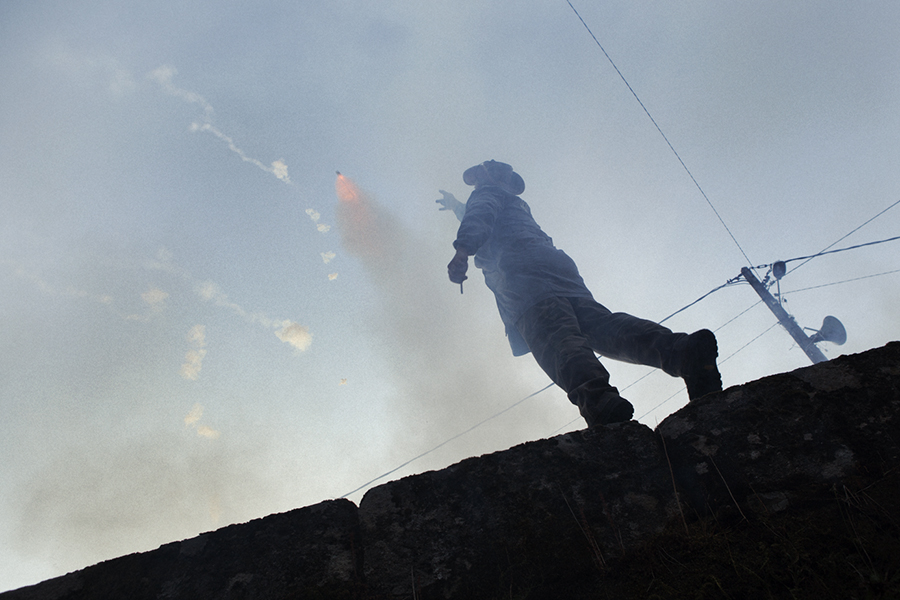
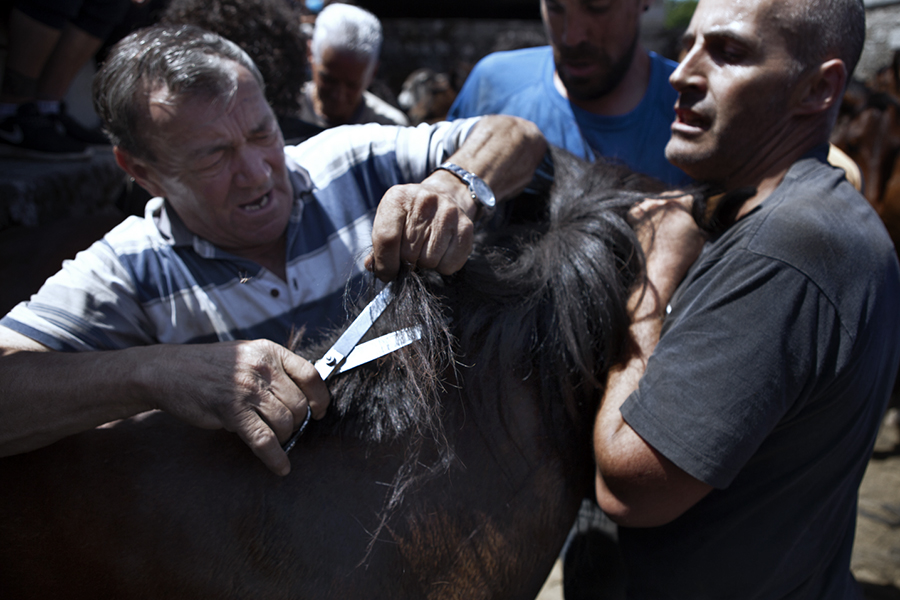
Rapa das BestasLegend says that two sisters offered to San Lorenzo a couple of horses in exchange for the save of the bubonic plague. When it passed the women kept their promise and gave the horses to the priest of the village. The horses were multiplying by the mountains and it was necessary to mark and cut the manes, and as part of a deworming and hygiene ritual.
The first official Rapa known dates back from the early XVIII century. Since then, once a year the aloitadores (local wrestlers) meets the wild horses of the nearby mountains and tranfers them into the Curro (a rounded corral) where they use their bare hands to immobilize the animals: the noble struggle between man and horse. Sabucedo, Spain. July 2015.
|
|

|

|

|

|

|

|

|

|

|

|

|

|

|

|

|

|

|

|

|

|

|

|

|

|

|

|

|

|

|

|

|

|

|

|

|

|

|

|

|

|

|
|

|

|

|

|

|

|

|